How to ask a group a question it will actually answer
"Thoughts?" gets silence. A question a group can actually answer has three parts: one decision, a default, and a deadline.

Pango
July 23, 2026·4 min read
You type it out carefully. "Hey everyone — was thinking we could do something for Dad's birthday. Thoughts?" You hit send. Two thumbs-up react. One person says "I'm in!" And then nothing, for four days.
It's tempting to read that as apathy. It almost never is. The group didn't ignore you — you asked a question that has no answer.
"Thoughts?" gives eight people no way to be done. There's no specific thing to say yes to, no signal about what happens if they stay quiet, and no reason today is better than Thursday. So each person does the rational thing: they wait for someone else to go first, and give it a thumbs-up so you know they're not being rude.
An open question asks people to do work. A good question asks them to make one small choice.
The three parts
A question a group can actually answer has three things in it. Miss one and it stalls in a predictable way.
One decision. Not "what should we do for Dad's birthday" — that's a brainstorm, and brainstorms in a chat produce eleven ideas and zero decisions. Ask about one thing: the date, or the restaurant, or the budget. Bundle two questions into one message and you'll get answers to neither, because now replying takes real effort.
A default. Name the thing that happens if nobody objects. This is the single biggest upgrade you can make to how you ask, and it's the one most people skip. Without a default, silence means nothing — you can't tell the difference between "fine by me" and "haven't read it." With a default, silence becomes an answer, and the plan can move on the strength of people not objecting.
A deadline. Not because you're strict, but because an open-ended question sits in the pile of things to deal with eventually, and eventually never arrives in a group chat. "By Thursday" moves it into this week.
Put together, the difference looks like this:
The second one isn't bossier. It's kinder — it costs each person about four seconds, and only the people with a real conflict have to do anything at all.
Why defaults do the heavy lifting
Most group-chat questions fail on the default, so it's worth being precise about why it works.
In a group of eight, an open question requires all eight people to actively participate for the plan to move. That's eight opportunities for someone to be busy, distracted, or waiting to see what everyone else thinks. Coordination cost scales with the number of people you need to hear from.
A default inverts it. Now the plan proceeds unless someone stops it — so you only need to hear from the people who have a problem, which is usually zero or one. You've turned eight required actions into one optional one.
This is also what makes it feel safe to answer fast. When the default is stated, saying nothing isn't rude and saying "actually, that weekend is bad for me" isn't blocking — it's just useful information arriving early, while there's still time to use it. Compare that to the group where nobody committed and someone raises a conflict three days before, when the deposit is already down.
Make the answer one tap
There's one more failure mode worth naming: even a perfectly-formed question makes people compose a reply. Typing "yeah that works for me" into a group of eight feels like adding noise, especially when four people already said it. So people who agree stay quiet — and their agreement is invisible.
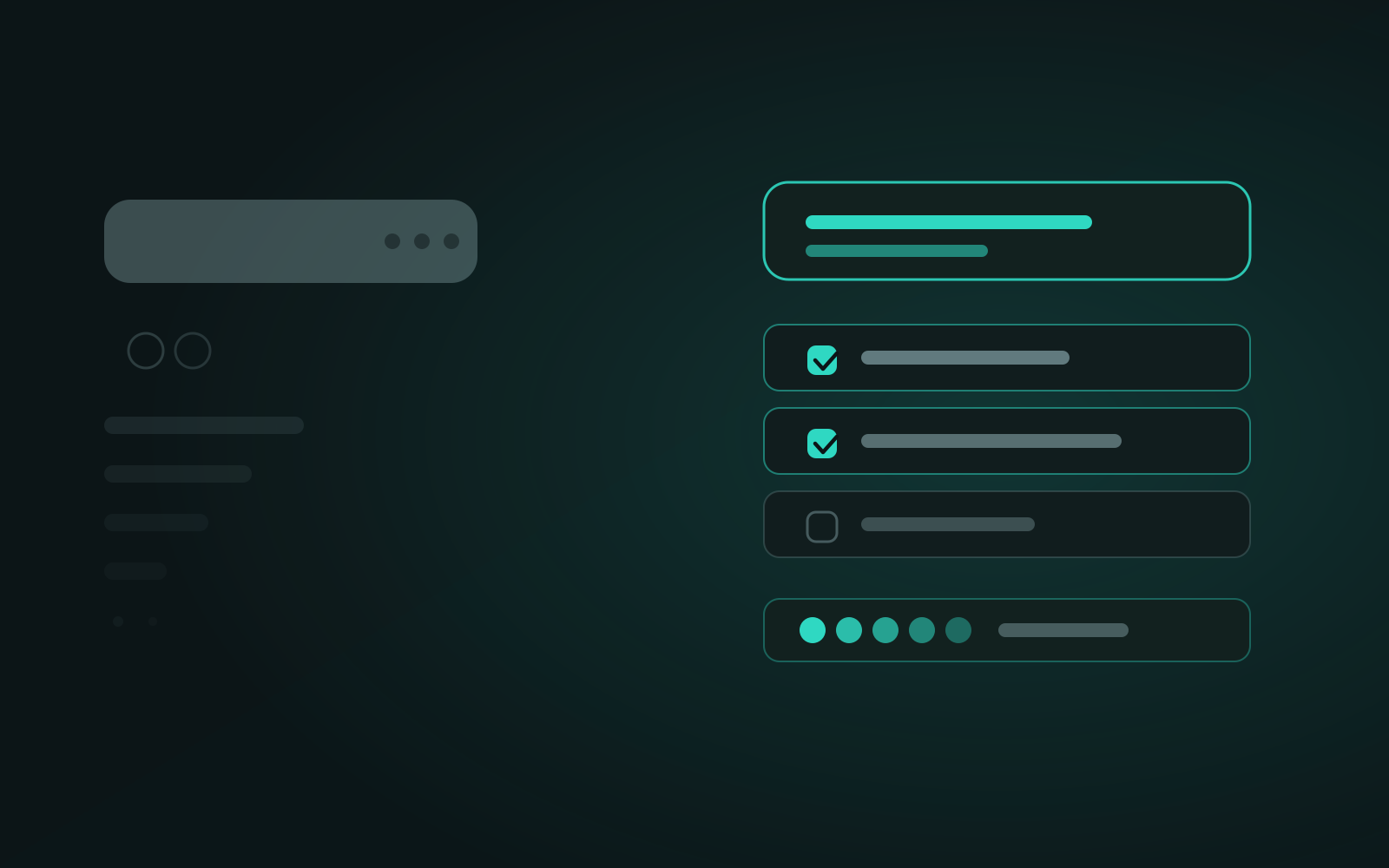
That's why the good version of this is a question with the answers already attached. When the options are tappable instead of typeable, agreement stops being a social act and becomes a click. You see the count, not a wall of "sounds good!"
That's the shape Pango builds into a Stateful Space: the group talks normally, and when a real question surfaces — a date, a place, a split — it becomes something the group can answer with one tap, with the tally staying current as answers land. Nobody re-asks. Nobody counts votes by scrolling.
And when the answer lands, it stops living in the scroll and starts living in the plan — which is the whole reason artifacts beat transcripts.
The short version
Next time you're about to type "thoughts?", write this instead:
[One specific thing.] [When and where.] Say so by [day] if that's a problem — otherwise we're on.
You'll get your answer the same day. Not because your group got more responsive, but because you finally asked something they could finish. It's the same move that keeps the organizer role from eating one person alive: make the plan move on defaults, not on everyone's attention.